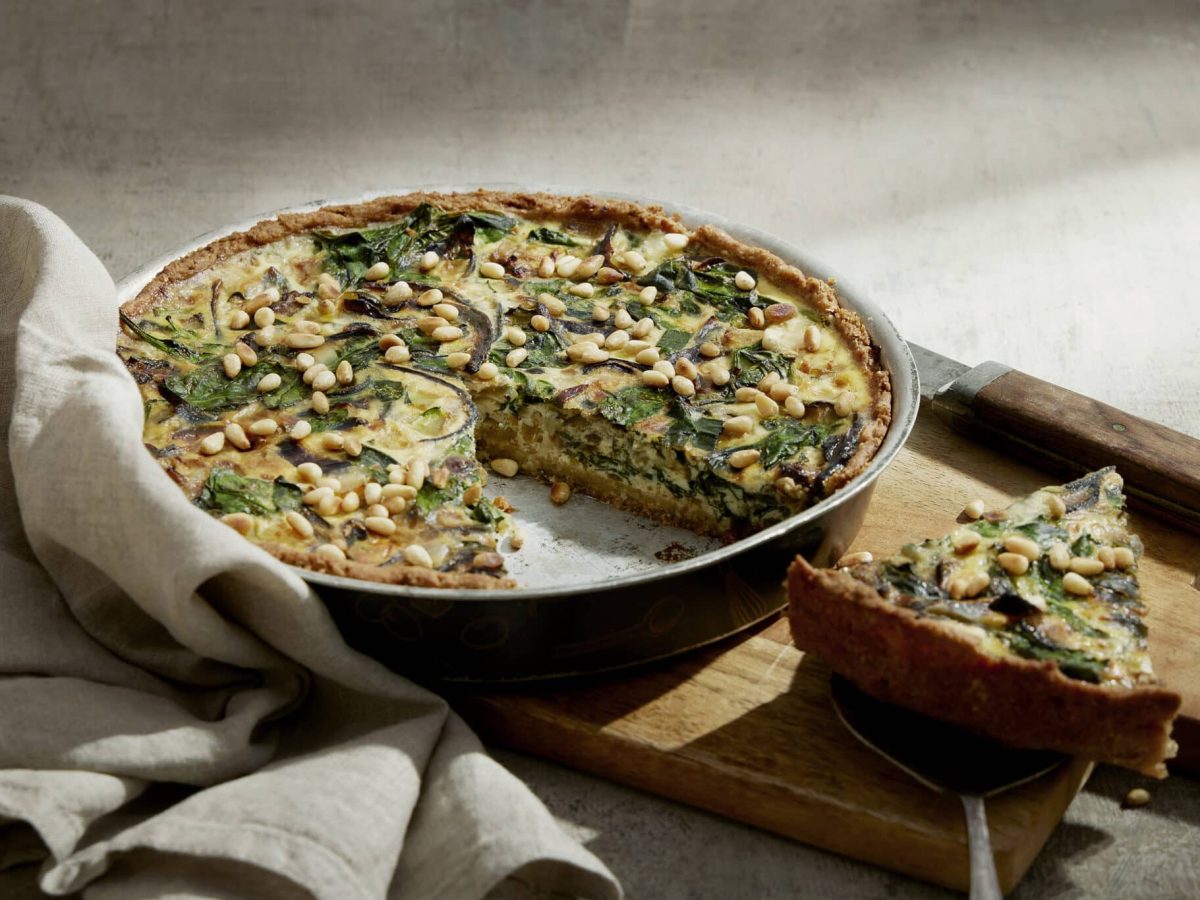
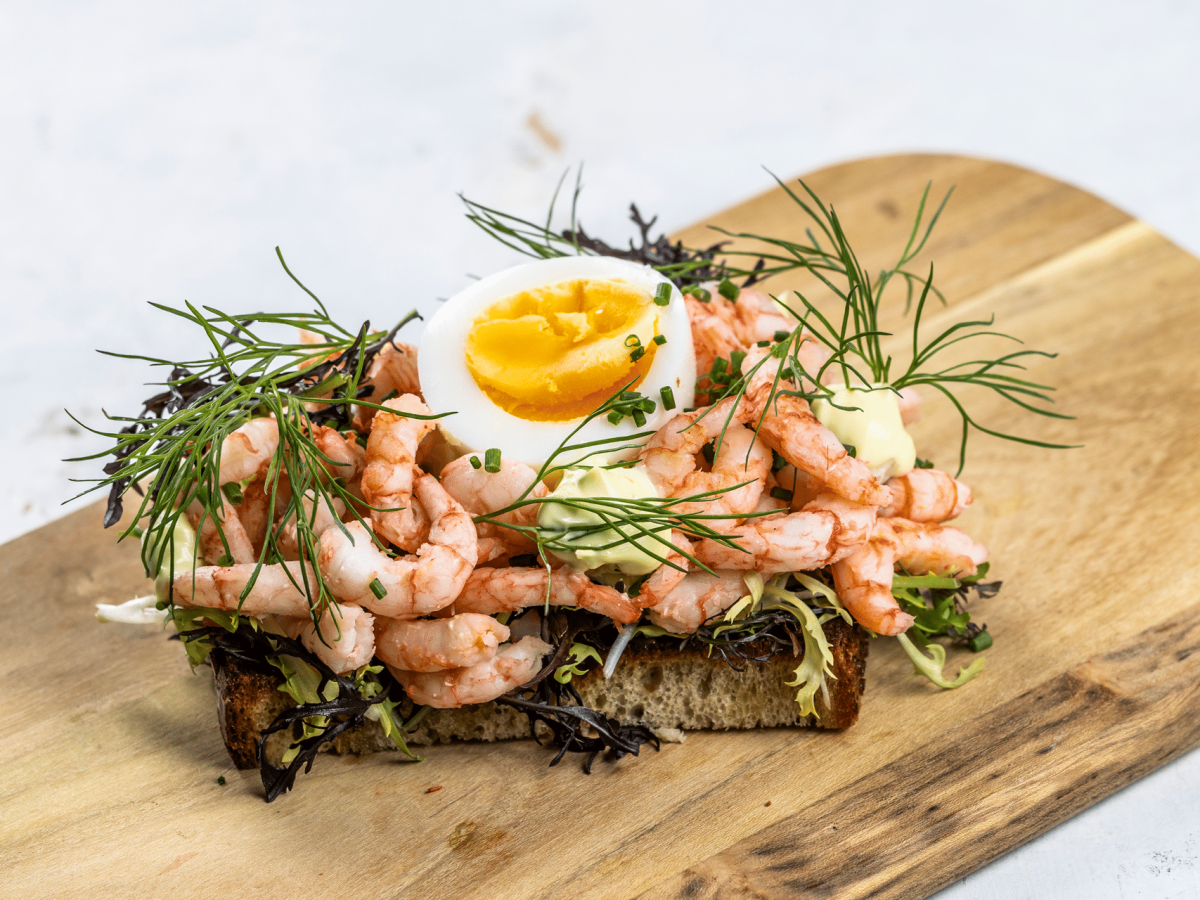
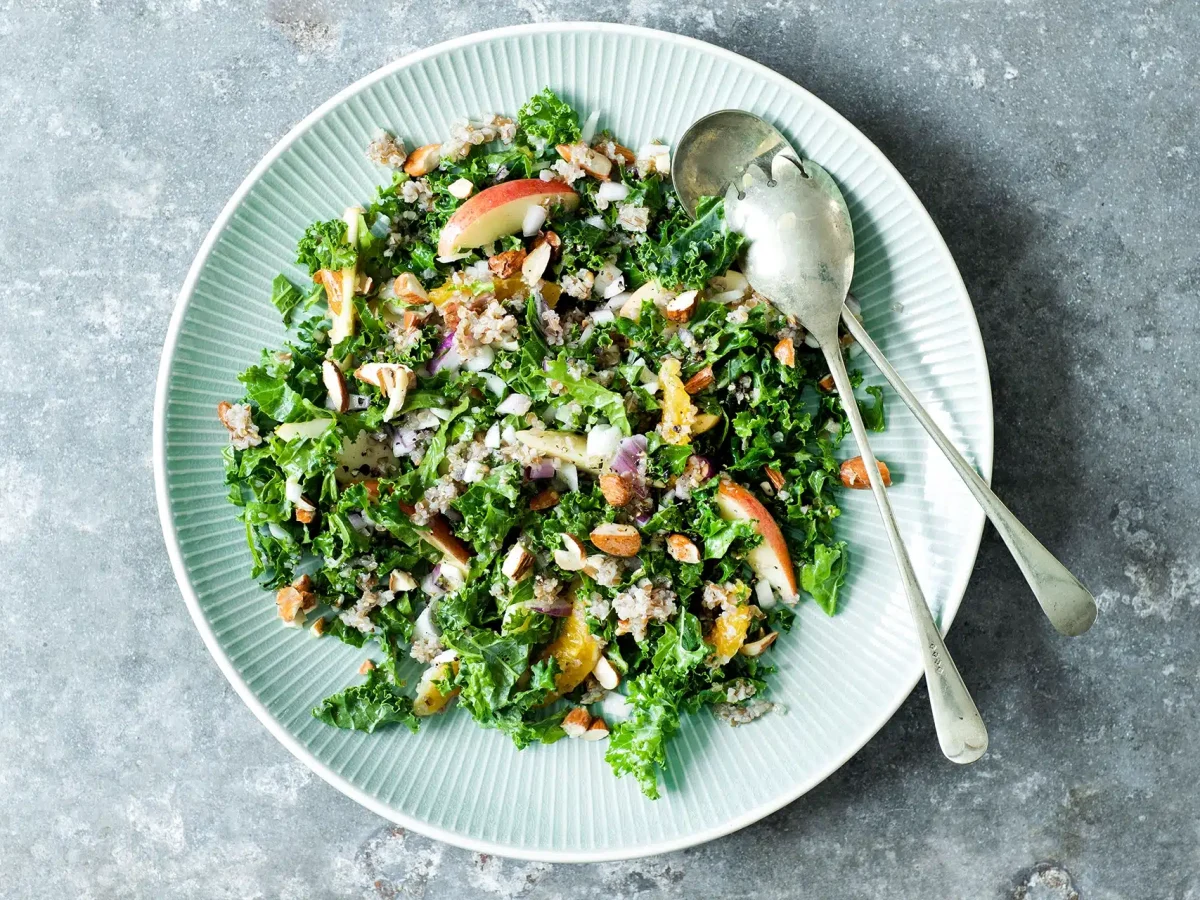
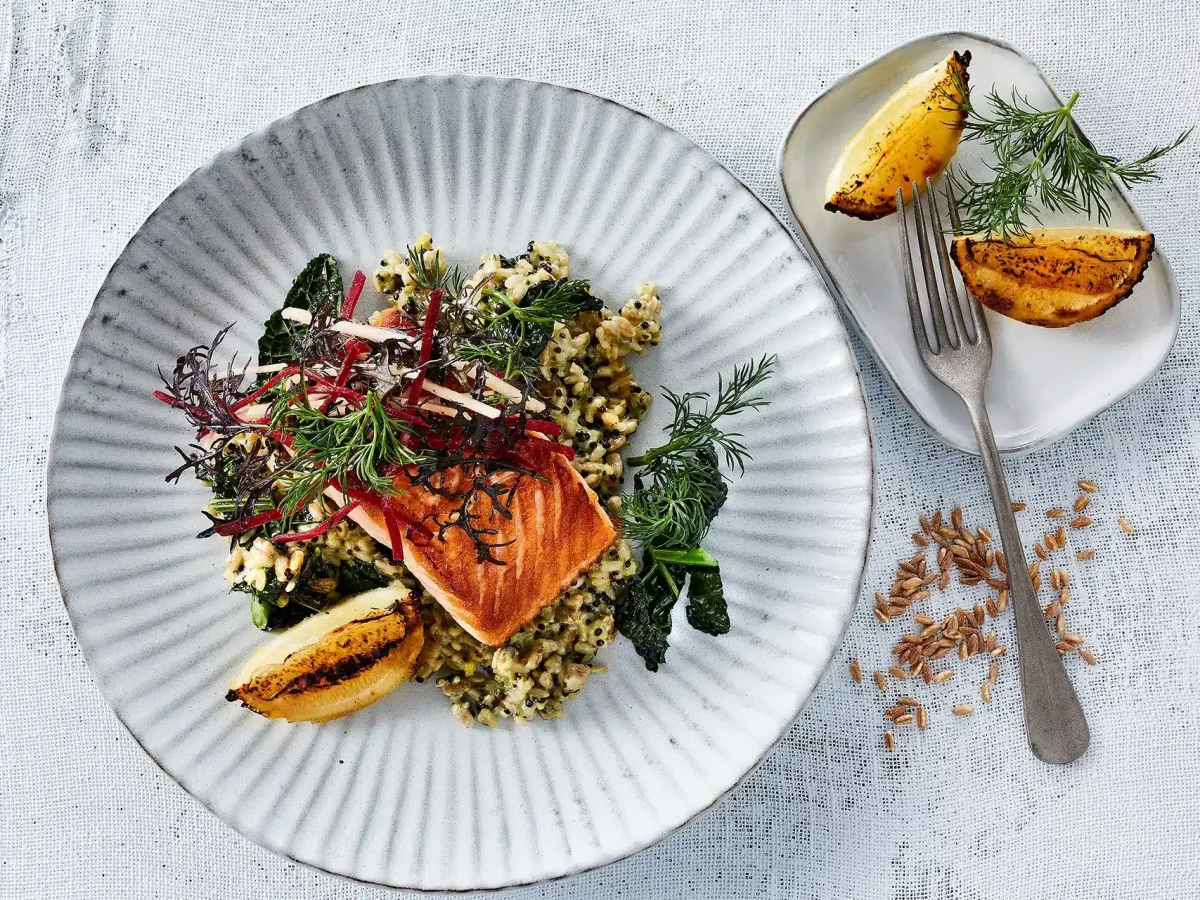
Here you will find inspiration for whole grains to suit every taste. Cooking with whole grains should be delicious and easy. Therefore, most ingredients should be easy to find in most supermarkets. Many of The Danish Whole Grain Partnership’s recipes are developed with a focus on having a low carbon footprint. This means they contain many vegetables and grain products, which have a lower CO2 footprint compared to meat, especially beef. Most ingredients are also selected for having a low CO2 footprint within the food category, as calculated by Concito in the report “Climate-friendly eating habits.”
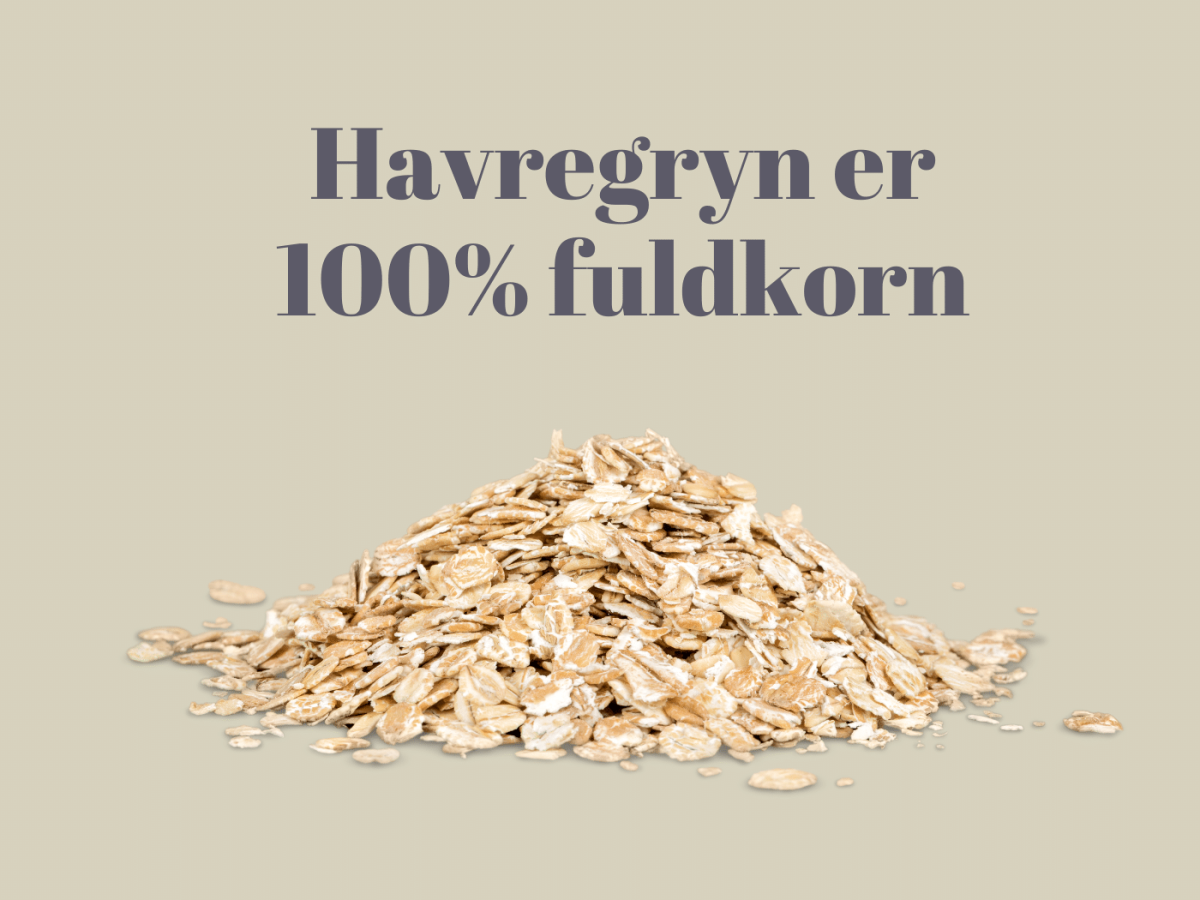
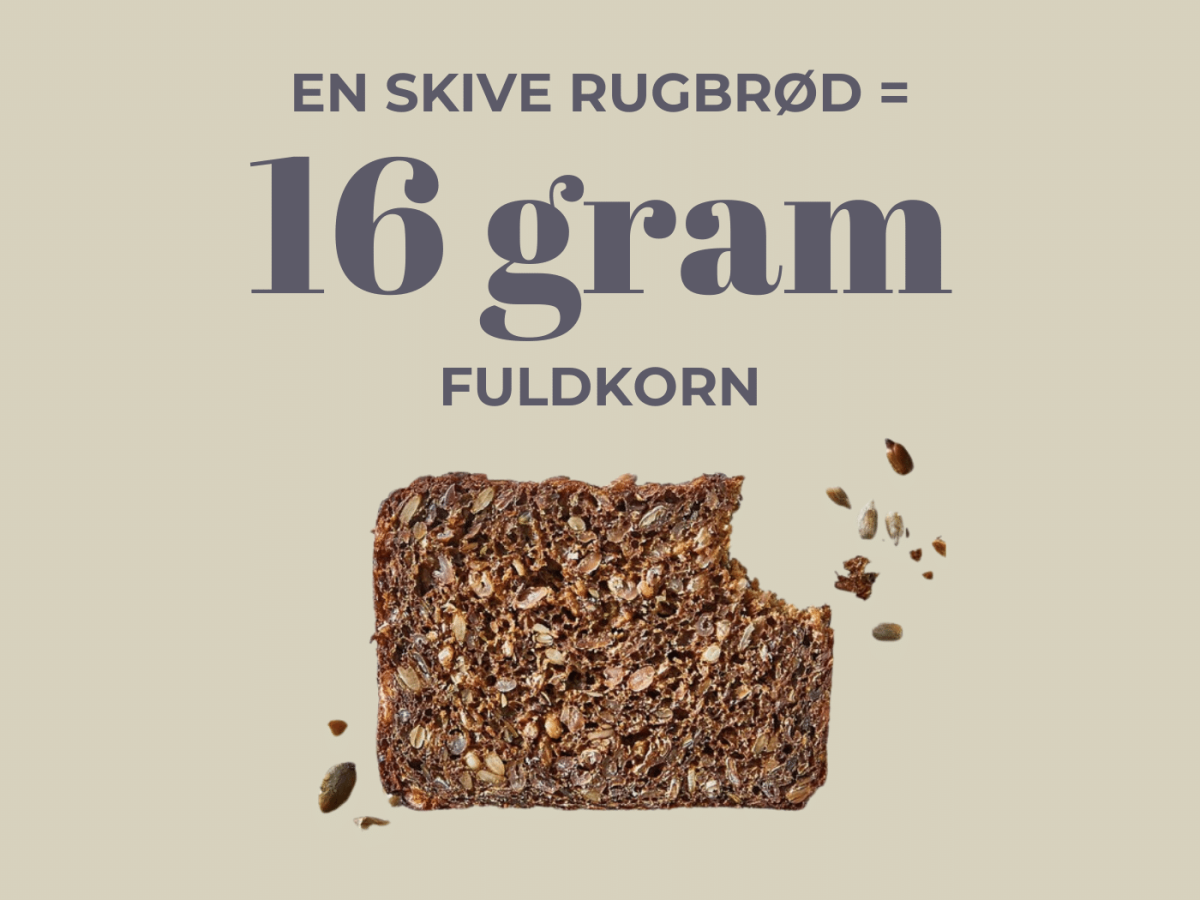
Whole grain means using the entire grain, including the germ and bran where most fibers, vitamins, and minerals are located. Whole grains can be whole or processed kernels They can be cracked, cut, or ground into whole grain flour. The important thing is that all parts of the kernel are included, including the bran and germ. This is where most vitamins, minerals, and dietary fibers are found. Whole grains provide both flavor and texture. Grain products, including whole grain products, are also among the foods with the lowest carbon footprint. Look for the whole grain logo when shopping.
We want to inspire you to eat more whole grains. The Danish Whole Grain Partnership is a public-private partnership between the Danish Veterinary and Food Administration, the Danish Cancer Society, the Danish Heart Foundation, and the Danish Diabetes Association, as well as several food companies, retail chains, and industry associations. We work together to improve public health by encouraging Danes to eat more whole grains. The Whole Grain Partnership consists of 27 partners, a board with representatives from various types of organizations involved in the collaboration, and a common secretariat with two full-time employees and a student assistant